


Tigard officials are scrambling to find a new path forward for a “shovel-ready” connector trail project after full funding of a widely anticipated Metro grant failed to materialize last month.
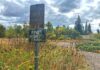
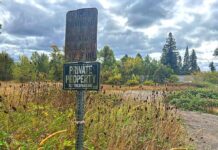
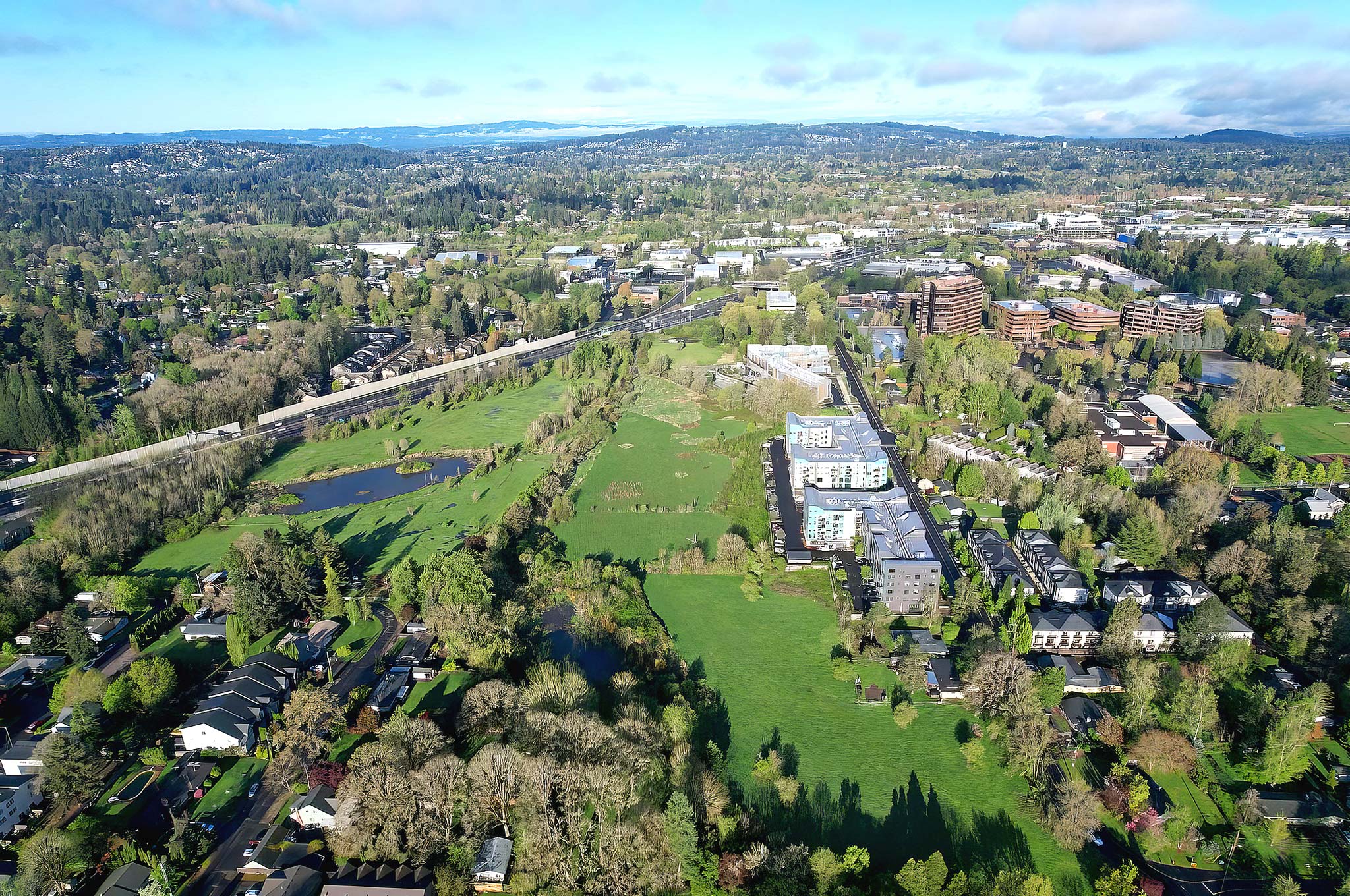
If built, the Ash Creek Nature Link will connect the Metzger area to multiple parks, schools, and the Washington Square area via a pedestrian and non-motorized, ADA accessible greenway trail that includes an overpass crossing of Highway 217 and joins with the regional Fanno Creek Trail. It will additionally restore adjacent wetlands along the connector’s path.
The project, which involves multiple partners, needed just under $4 million in additional funding to break ground. Metro staff recommended meeting Tigard’s $3.9 million ask, ranking the project second among seven applicants based on its close alignment with the Large-Scale Community Visions (LSCV) grant criteria.
The body had $8 million to give in the current round. Had it followed staff recommendations, Tigard and a $2.5 million Mt. Hood Community College dam removal project would each have been fully funded, leaving a balance of about $1.6 million for allocation to additional applicants.
Metro councilors during a July 14 work session instead changed course, approving the Mt. Hood Community College’s request but reducing Tigard’s award to $1.5 million to shift the balance into a $3 million award for a lower-ranking applicant.
That turn gave Hillsboro’s fifth-ranked Working Theory Farms the largest slice of the funds.
While not unprecedented, Metro Councilor Gerritt Rosenthal said the move was unusual. “Usually changes are more tweaks, rather than significant changes,” he said. “They’re more minor modifications.” Rosenthal opposed the change.
Because Tigard’s Ash Creek project is time-sensitive and relies on a complex series of partnerships including multiple undisclosed land donations to reach fruition, a budget shortfall could topple the project.
Metro staff evaluated applicants using a multi-point rubric that considered partnerships, project readiness, community impact, and housing and transportation, among other things. Ash Creek was one of four projects designated as “high” for overall alignment with the grant’s goals.
“This is really a once in a lifetime opportunity for our community to have this important trail constructed,” Tigard Mayor Yi-Kang Hu said. He and other city leaders were blindsided by the sudden shift.
The Land donations that create space for the trail and wetlands restoration are contingent on a quick start. If the project is significantly delayed, the agreements expire. Those property owners, including a “large out-of-state entity,” would move forward only if the grant were awarded.
Hu, Tigard City Councilors, and multiple state representatives submitted a written appeal ahead of the July 21 Metro Council meeting, urging the council to restore the funding, saying the Ash Creek “delivers exactly what voters approved the regional parks bond to accomplish: environmental restoration, regional trail connectivity, equitable access to nature, and meaningful partnerships that leverage public investment.”
Additionally, their letter expressed disappointment that Tigard was not given time to provide details or answer questions during the work session where changes were made.
Metro Councilor Mary Nolan questioned staff rankings during that session, suggesting the rubric did not adequately represent Working Theory Farm’s alignment with grant goals and saying for her it “checked all the boxes.”
Working Theory is a 24-acre regenerative, no-till farm that provides training and paid work for youth who face a variety of systemic barriers. It partners with multiple organizations, including the non-profit Centro Cultural to distribute the food – some at no cost to recipients.
Tigard, Nolan said, could have used its local share of Parks Bond money to cover about $3 million – more than three-quarters of its grant ask for Ash Creek – but “chose to spend it in other places.” She and colleagues questioned the project’s scope as regional rather than local.
The city invested its local share dollars into the currently under-construction Steve Street Park and Bagan Park “prioritizing parks improvements in Tigard’s lowest-income neighborhoods,” according to the letter sent to Metro Council by Hu and others.
Ash Creek Nature Link could not have been considered when parks bond money was distributed because property owners weren’t then willing to negotiate land acquisitions.
They argue that categorizing the project as local fails to recognize that it serves a “Metro-designated 2040 regional center,” and links both the Washington Square Mall area and to a regional trail system.
While Metro Council members encouraged Tigard to apply for an upcoming Nature in Neighborhoods community choice grant – which the city is considering as it explores possible paths forward- the funding process may not happen fast enough to save the Ash Creek project.