





The start of a new year often brings renewed focus on health, and for many people, that includes starting a new diet. Structured plans can feel appealing, especially when they promise clarity, quick results, or a fresh start. Many popular diets are designed for specific goals or short-term use. Their long-term impact can include both practical challenges and unintended health impacts, especially when sustainability and individual variation are not considered.
One common issue with trendy diets is that they tend to emphasize restriction. Plans such as ketogenic or very low-carbohydrate diets may be helpful in certain clinical situations, but they are not universally appropriate. For example, some individuals experience increases in cholesterol markers when following a high-fat ketogenic approach, even if other aspects of their health improve. These diets may also unintentionally crowd out plant-based foods that support gut health, lipid balance, and long-term cardiovascular function. From a naturopathic perspective, nutrition works best when it reflects individual physiology rather than a one-size-fits-all framework.
Elimination-style plans present a related but distinct issue. The Whole30 program, for instance, removes grains, legumes, dairy, added sugars, and alcohol for 30 days. It was designed as a temporary reset to help people observe how specific foods affect energy, digestion, or inflammation. Challenges arise when this approach is extended beyond its original purpose. Long-term avoidance of foods such as beans and lentils, which are consistently associated with benefits on blood sugar and cholesterol, may limit dietary diversity and reduce access to affordable, nutrient-dense options. Temporary elimination can be a useful tool, but it is not intended to replace a balanced, sustainable way of eating.
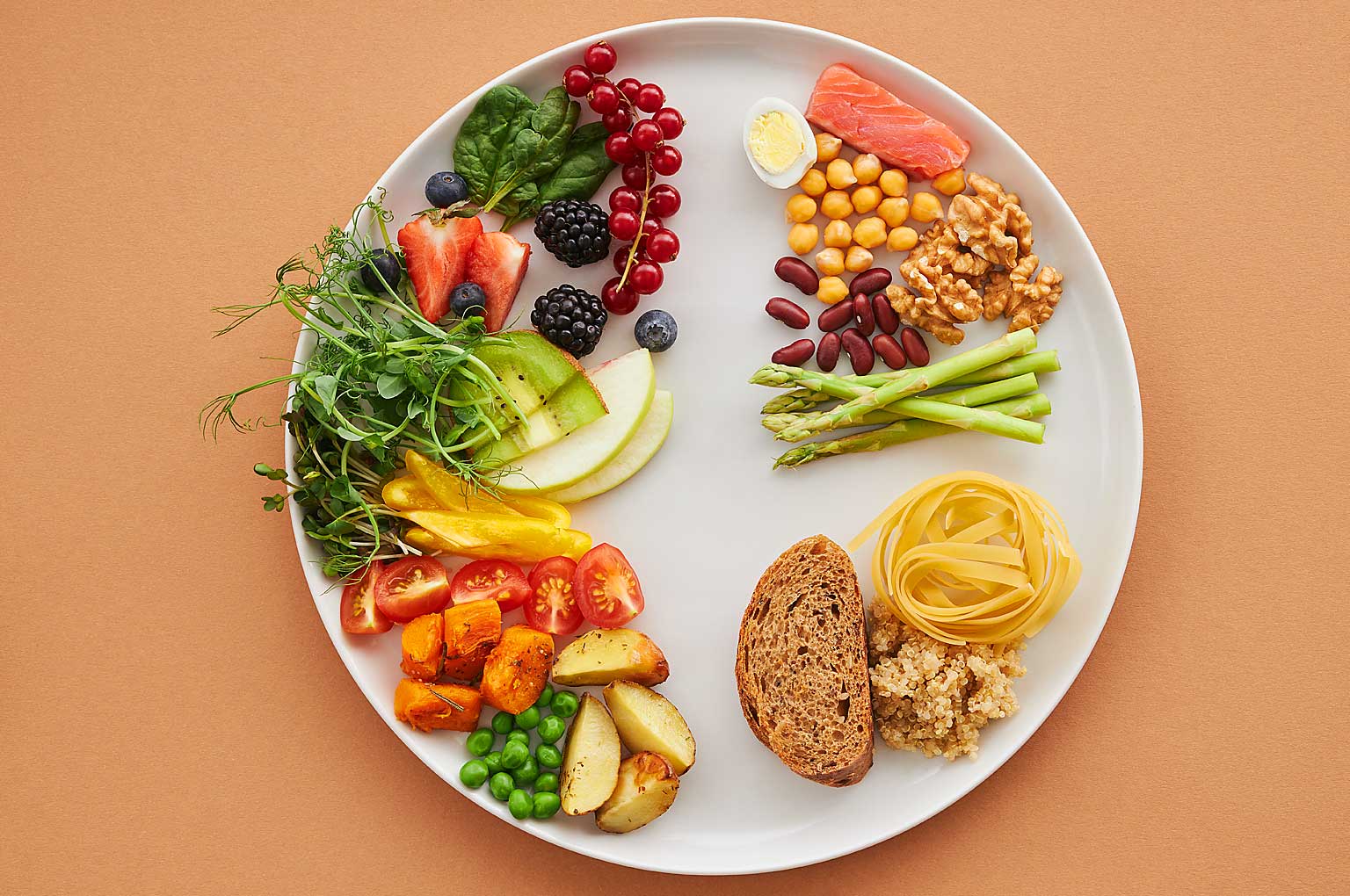
In contrast, dietary patterns with strong long-term research support tend to emphasize inclusion rather than exclusion. The Mediterranean-style dietary pattern is a well-studied example. Rather than eliminating entire food groups, it emphasizes vegetables, legumes, fruits, whole grains, olive oil, nuts, and moderate amounts of protein without rigid rules or strict macronutrient targets. This flexible approach has been associated with improved cardiovascular health, metabolic resilience, and longevity. Importantly, it can be adapted to different cultures, preferences, and budgets, making it more realistic to maintain over time.
Ultimately, sustainability is one of the most overlooked aspects in popular nutrition guidelines. A “perfect” diet that cannot be maintained rarely supports long-term health. Many people can make meaningful improvements without adopting the latest fad, such as adding more vegetables to meals, choosing less processed foods, or paying attention to how different foods affect energy and digestion. Popular diets often reflect a genuine desire to feel better, and that intention deserves respect. Long-term health, however, is most often built through consistent, nourishing habits that support the body over time rather than through extreme or temporary solutions. For those navigating New Year’s dietary goals or exploring healthier eating in 2026, prioritizing sustainability, flexibility, and whole foods may be a more supportive path than pursuing the latest dietary trend.