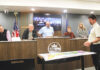




Thank you to everyone who joined us for the State of Our City last month, whether in person or online. We shared updates on the city’s progress toward Council goals in housing, economic development, and making Tigard a great place to live, work, and play. That progress reflects the work of city staff, community partners, and residents who help turn Council goals into real improvements for Tigard.
If you missed the event, I encourage you to watch the recap at tigard-or.gov by searching “State of Our City.”
As Tigard voters consider Measure 34-349, which would fund a new public safety facility, I understand that affordability is top of mind. No public investment of this scale should be considered lightly.
At the same time, delaying critical infrastructure comes with real costs. The city already spends nearly $1 million each year maintaining aging facilities and paying for off-site storage because existing space is inadequate, and those costs are expected to continue rising. For example, a recent competitively bid citywide HVAC maintenance contract is expected to increase operating costs by about $41,000 per year, a 49 percent increase from the previous contract. Inefficiency also has a cost, especially when staff, equipment, and services are spread across inadequate buildings, and construction costs are likely to increase over time.
Reasonable people may disagree on how best to meet this challenge. But I believe it is responsible to plan ahead and invest in essential public infrastructure before these needs become even more costly and difficult to address. A new facility would also help ensure Tigard has an Emergency Operations Center designed to remain functional during major disasters, when our community depends on it most.
However you choose to vote, I encourage you to learn more, ask questions, and take part in this important community decision.
We are also continuing to address more immediate community concerns. Recently, the Council adopted updates to Tigard’s time, place, and manner regulations related to camping, including clearer rules around camping materials and keeping sidewalks passable.
Oregon law requires cities to regulate camping in a way that is objectively reasonable. Tigard’s approach is to manage impacts through reasonable rules and a centralized location, while continuing to work with community partners to connect people with available services and support. That allows for more consistent enforcement and helps prevent camping from spreading throughout the community. It does not excuse conduct that affects public safety, access, or the surrounding community.
These are not easy issues, and they do not have simple solutions. Thank you for staying engaged as we continue planning for Tigard’s future while responding to the needs of our community today.