




Protecting Your Health During Wildfire Season
Although we’re not surrounded by dense forests or wildlands here in Tigard, we’re no strangers to the impacts of wildfire season. Over the last few years, smoke from massive fires across the Pacific Northwest has drifted into the Valley, turning our blue skies gray and triggering days of hazardous air quality.
For those with respiratory conditions, older adults, children, and outdoor workers, these events are not just an inconvenience… they pose serious health risks. The smoke is made up of a mix of gases and microscopic particles. Of greatest concern is fine particulate matter that can lodge deep in your lungs, causing symptoms ranging from coughing and eye irritation to more serious problems like asthma attacks and heart complications. Even short-term exposure can be harmful for those at risk, including children, seniors, those with lung issues, or outdoor workers.
How to Stay Informed: Monitoring Air Quality
Knowing when to act starts with knowing what’s in the air. Tigard residents have access to several tools to track smoke levels in real time:
Oregon DEQ Air Quality Index Map (https://aqi.oregon.gov/) and https://www.airnow.gov/ both offer localized AQI (Air Quality Index) forecasts.
When the AQI reaches 101 or higher (orange or red zones), vulnerable individuals should avoid outdoor activities. When the AQI reaches 151 or higher, everyone should take precautions.
Creating a Clean Air Space at Home
One of the most effective ways to reduce smoke exposure is to create a clean indoor air space. Here’s how:
- Seal Your Home: Close windows, doors, and vents. Use weather stripping to reduce smoke infiltration.
- Use Air Purifiers: HEPA-filter air purifiers can dramatically improve indoor air quality. Place one in a central room and run it continuously during smoke events.
- Avoid Indoor Pollution: Don’t burn candles, fry food, vacuum, or smoke indoors, as these activities can worsen air quality.
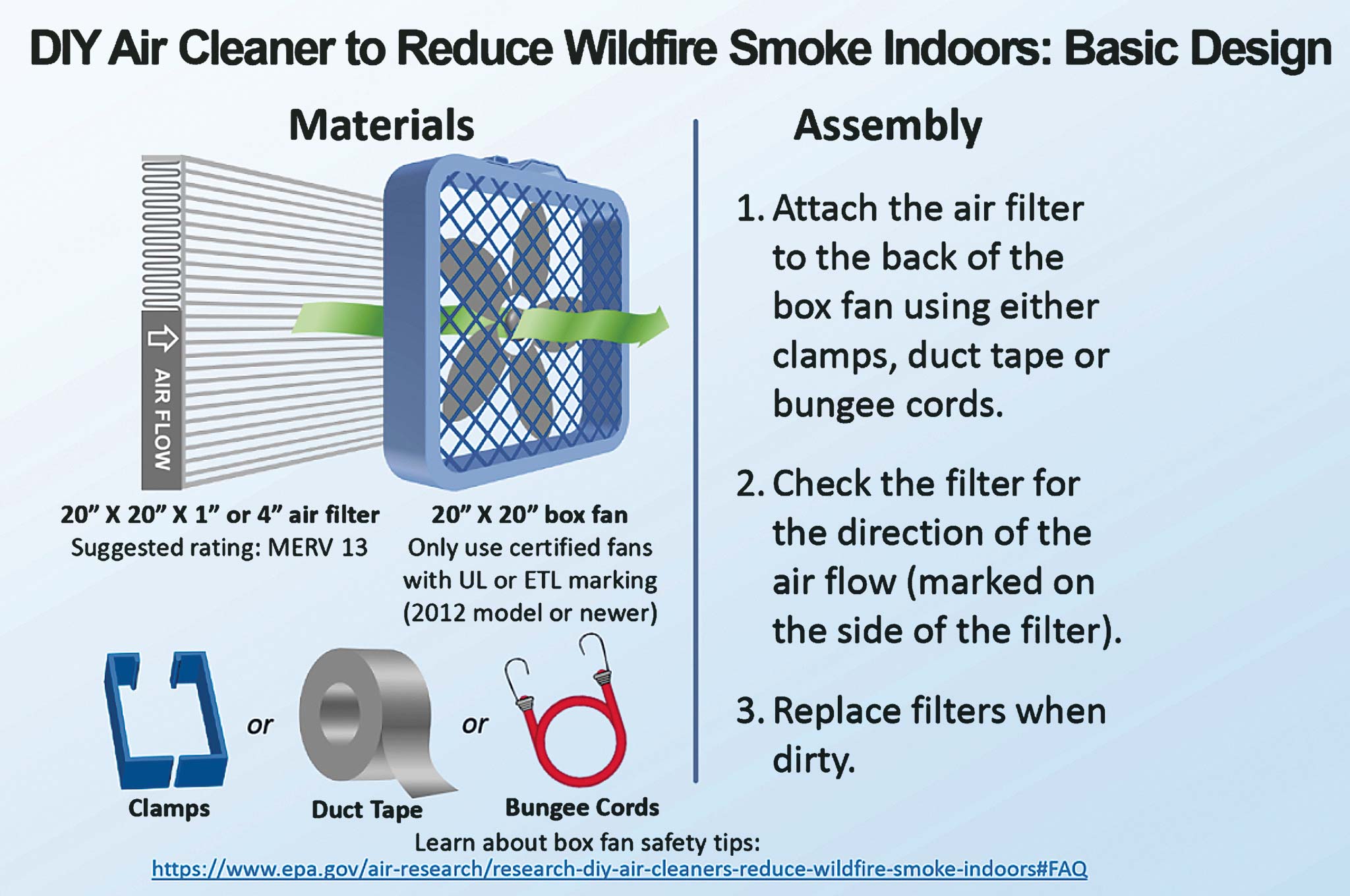
- DIY Filter Boxes: If a commercial purifier isn’t available, use a box fan combined with a filter (ideally a MERV 13 furnace filter) as a temporary solution (visit EPA’s guide for safe instructions at https://www.epa.gov/sciencematters/do-it-yourself-air-cleaners-making-cleaner-air-more-accessible).