




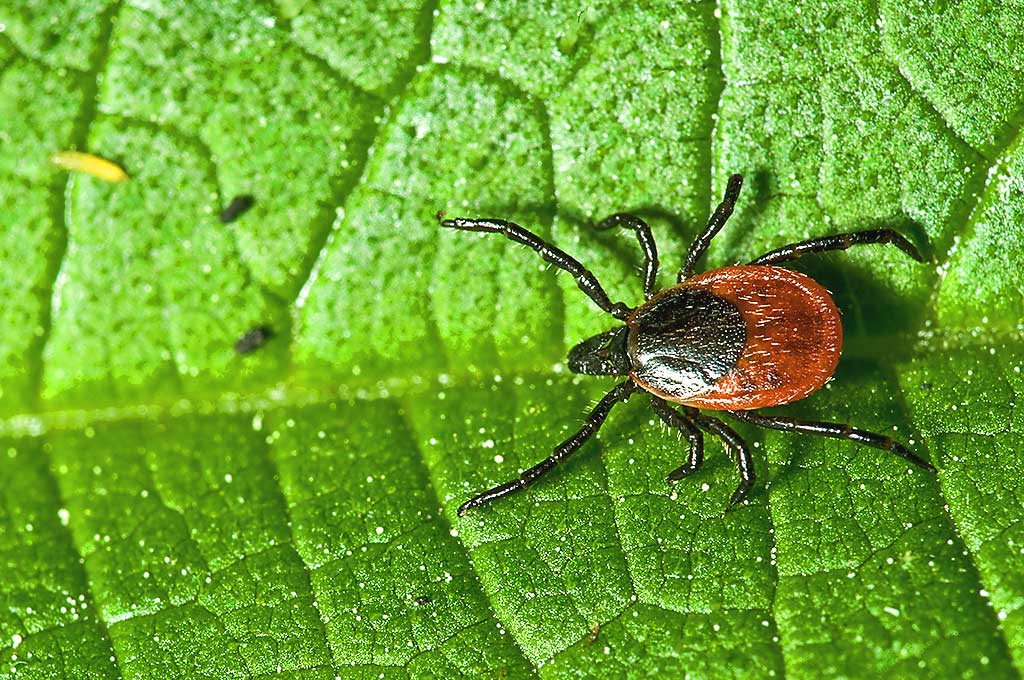
For years, I have heard epidemiologists and public health experts discuss how ticks are increasing in the Pacific Northwest. Recently, I have started seeing that concern show up more clearly in the exam room. At Nimbus Pet Hospital, we are seeing more ticks and more tick bite cases than we have in the past.
Oregon has always had ticks, but our climate is changing how we think about them. Mild winters, earlier warm weather, and longer outdoor seasons can allow ticks to become active sooner and stay active longer. For pet owners, that means tick prevention is no longer something to think about only during summer hikes. It needs to be part of year round care.
Ticks Are Not Just a Trail Problem
Many people think of ticks as something pets pick up only deep in the woods. While hiking and camping certainly increase exposure, ticks can also be found in tall grass, brush, fields, neighborhood trails, and even backyards. Dogs that love sniffing through grass and shrubs are especially at risk.
Oregon is home to several tick species that can affect pets and people. Some ticks can transmit diseases, including Lyme disease, anaplasmosis, Rocky Mountain spotted fever, and other infections. These diseases are not always common, but they are serious enough that prevention matters.
What to Watch For
Tick bites can be easy to miss, especially in dogs with thick coats. After outdoor activity, check your pet carefully. Common places to look include around the ears, under the collar, between the toes, in the armpits, around the groin, and under the tail.
If you find a tick, remove it carefully with tweezers by grasping close to the skin and pulling steadily. Avoid squeezing the tick’s body. If you are unsure how long it has been attached, or if your pet later develops lethargy, limping, fever, decreased appetite, or swollen joints, contact your veterinarian.
Prevention Is the Best Plan
The good news is that modern tick preventatives are very effective and, when selected with your veterinarian, very safe. Some products are better fits than others depending on your pet’s age, lifestyle, and medical history. For example, pets with a history of seizures may need a more individualized discussion about which product is best.
Here in Oregon, I recommend year round flea and tick prevention for most dogs. This is especially important after a mild winter, when ticks may become active earlier than expected. Prevention is far easier than treating tick borne illness after exposure.
Testing Can Help Catch Disease Early
For dogs with tick exposure, screening tests can help detect certain tick borne diseases before they cause more serious problems. This is especially important for dogs that hike, camp, travel, or spend time in grassy or wooded areas.
Ticks may be small, but they deserve our attention. With consistent prevention, regular tick checks, and appropriate testing, we can greatly reduce the risk to our pets.
To learn more about tick borne disease testing, visit www.nimbuspet.com/tick-borne-disease-testing.