






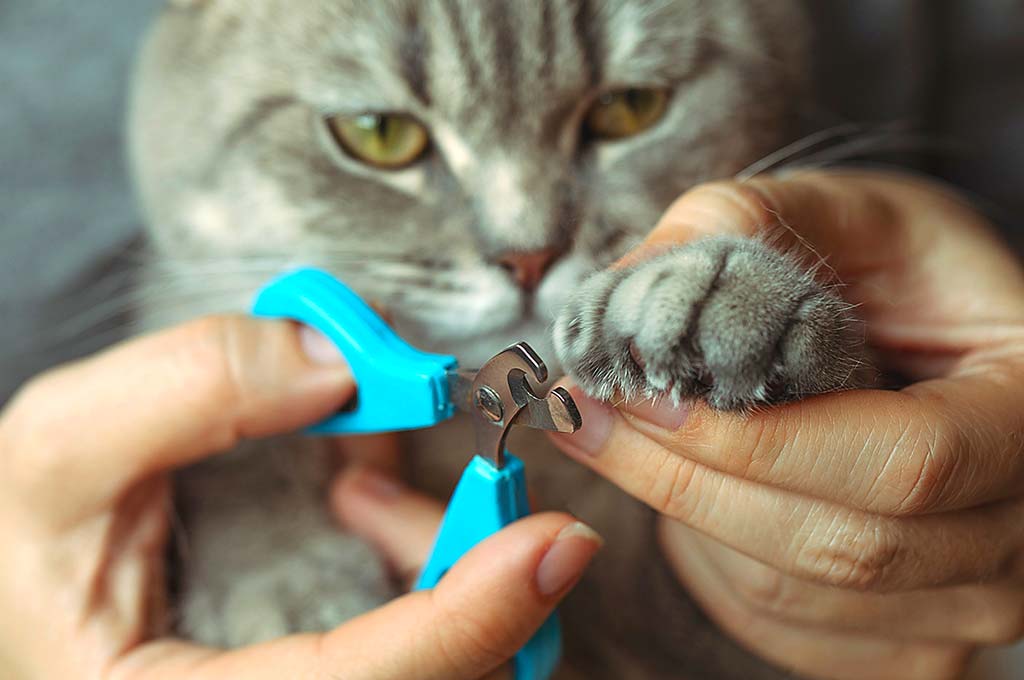
Nail trims are easy to think of as a grooming task. In reality, keeping your pet’s nails at an appropriate length is an important part of comfort, mobility, and overall health. Long nails can change how a pet stands and walks, contribute to slipping, and make joint pain worse. Regular nail care can make daily movement easier.
More Than a Cosmetic Concern
When nails become too long, they touch the floor before the paw can make normal contact. Over time, this can change posture and gait. Dogs may shift their weight backward, splay their toes, or walk differently to avoid pressure on their nails. This puts extra strain on the paws, legs, and joints.
For pets with arthritis, hip dysplasia, or weakness, long nails can make a difficult situation worse. They may struggle on hardwood floors, lose traction, or become less willing to take walks and play. Keeping nails short helps the paw contact the ground normally and can improve stability.
Cats need regular nail attention as well. Their nails can snag on carpeting or curl inward as they age. A neglected nail can grow into the paw pad, causing pain and infection. Dewclaws are easy to miss because they do not always wear down naturally.
Regular Checks Can Catch Problems Early
Nail care at home also gives owners a chance to inspect the paws. Nail bed disease, infections, broken nails, and growths can go unnoticed until a veterinary exam if no one is routinely checking.
Watch for redness, swelling, discharge, odor, broken or misshapen nails, excessive licking, or pain when the paw is touched. A pet who suddenly resists paw handling may be trying to tell you something is uncomfortable. For outdoor dogs, regular checks can also uncover debris, grass awns, or small cuts between the toes.
Start Young and Build a Routine
The easiest time to introduce nail care is during puppyhood or kittenhood. Gentle, positive handling of the paws teaches pets that foot care is normal and safe. This makes future nail trims, grooming, veterinary exams, and treatment for an injured paw less stressful.
How often nails need trimming depends on activity level and walking surfaces. Some dogs wear their nails down naturally, while others need trims every few weeks. Handle paws gently, trim only a small amount at a time, and pair care with praise or treats. A grinder works well for some pets, while others do better with clippers.
If nail trims are stressful, painful, or difficult at home, do not force the process. Your veterinary team or groomer can help make a plan that is safer and more comfortable.
Small Care, Big Difference
Regular nail care helps pets move comfortably, reduces the risk of painful nail injuries, and gives you a chance to notice problems early. It may seem like a small part of wellness care, but healthy feet play an important role in a pet’s quality of life.
For more wellness and preventative care tips, visit www.nimbuspet.com/wellnesspreventativecare.