



Carbon Monoxide: An Invisible Winter Danger
As the temperature drops here in Tigard, many households turn to alternative heat sources to stay warm. Whether it be during power outages or to supplement their home heating. Unfortunately, this can come with a silent, potentially deadly hazard… carbon monoxide poisoning.
Carbon monoxide is an odorless, colorless gas that can be fatal in minutes at high levels. It can be produced whenever fuels like gasoline, wood, propane, or charcoal are burned (especially in enclosed or poorly ventilated spaces). During winter storms or ice events, specifically if the power goes out, the risks increase significantly as residents use generators, fireplaces, or portable heaters in their homes.
Symptoms of carbon monoxide poisoning include headache, dizziness, lightheadedness, and feeling weak or nauseated. In serious cases, loss of consciousness or death may occur. Carbon monoxide can be life-threatening, particularly in children, the elderly, or sick, but anyone is at risk of poisoning with exposure to high concentrations. Tragically, every year across the country, hundreds die from unintentional carbon monoxide poisoning, and thousands are hospitalized.
Top Carbon Monoxide Safety Tips for Tigard Residents:
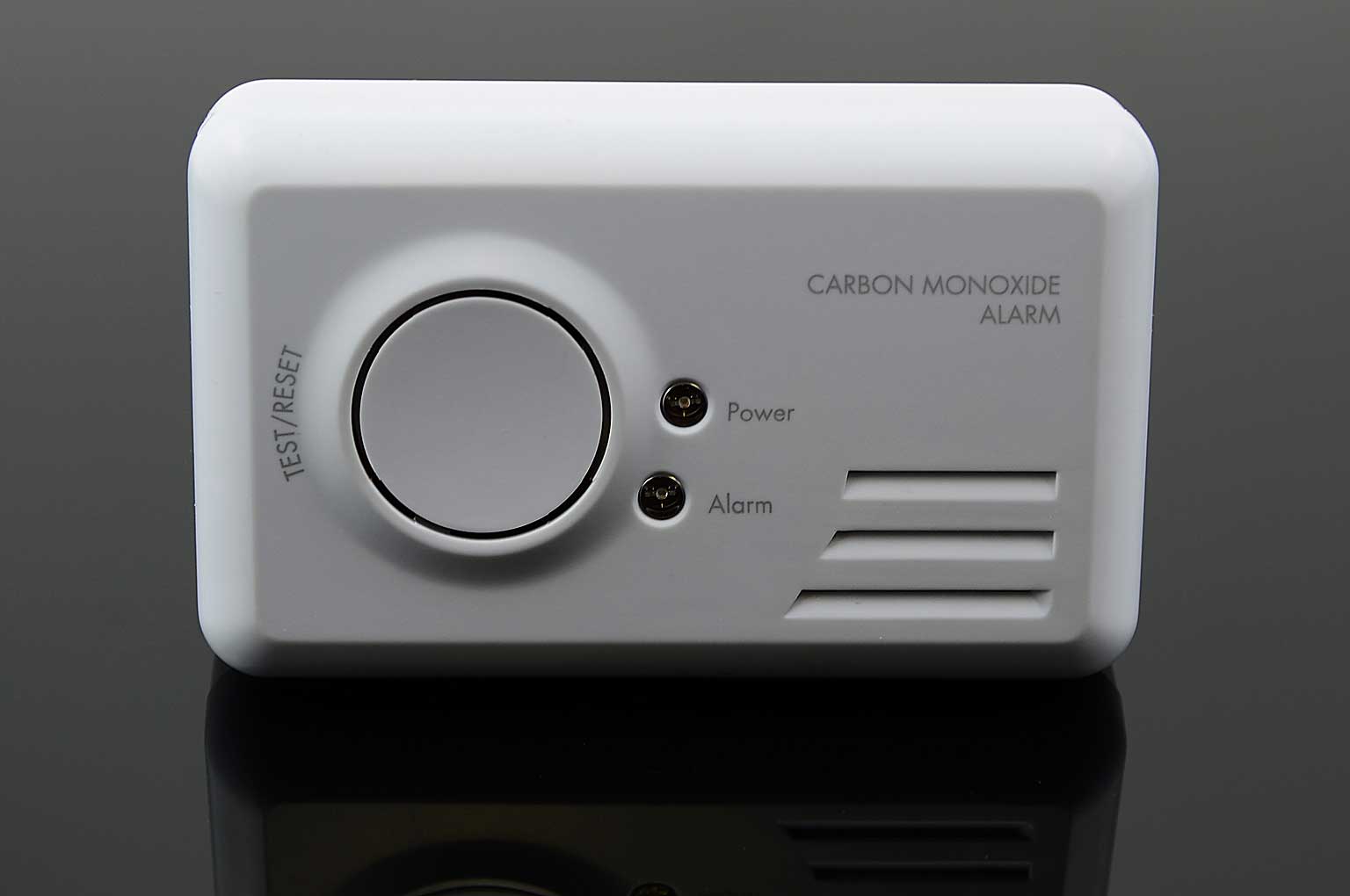
Installing Alarm
- Place carbon monoxide detectors on every level of your home and outside sleeping areas.
- Test them monthly and replace the batteries at least twice a year.
- Replace the entire unit every 5–7 years, depending on manufacturer instructions.
Vent All Fuel-Burning Appliances and Never Use Generators Indoors
- Always use portable generators outside and at least 25 feet away from windows, doors, and garages.
- Never run them in attached garages, even with the door open.
- Don’t use gas ovens or stovetops to heat your home, and don’t use charcoal grills indoors
- Make sure your fireplace, wood stove, and gas furnace are properly vented and inspected annually.
Don’t Run a Car in a Garage
- Never warm up a vehicle inside an attached garage, even with the garage door open. Carbon monoxide can build up quickly and enter your home.
Know the Symptoms
- As discussed above, carbon monoxide poisoning often feels like the flu: headache, dizziness, weakness, upset stomach, vomiting, and confusion.
- If multiple people in a home feel sick at the same time, and it’s not flu season, make sure you rule out carbon monoxide as a possible cause.
Act Fast
- If your alarm sounds or you suspect poisoning: get outside for fresh air immediately and call 911.
Winter emergencies are tough, but knowing the risk saves lives.
- For more information about the risks of Carbon Monoxide Poisoning, visit: tigardlife.com/go/cm.
- For more information on how to prepare for winter weather, visit: www.ready.gov/winter-weather.
Tigard CERT Inc. is a local non-profit organization allied with the City of Tigard that trains volunteers in basic emergency response and organizational skills following the Federal Emergency Management Agency model and guidelines for local Community Emergency Response Teams. For more information about Tigard CERT, please visit www.tigard-or.gov/your-government/departments/public-works/emergency-management.