




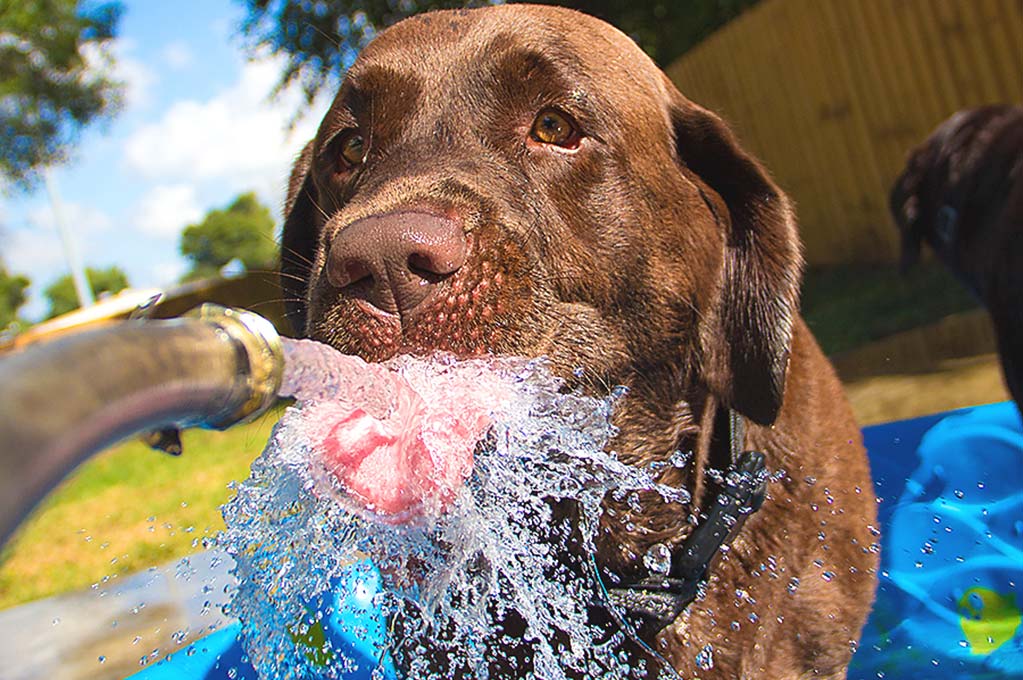
You refill your dog’s water bowl before bed, and it is empty by morning. Or your cat’s litter box suddenly has much larger clumps. It is easy to explain away a change like this, especially when your pet still seems happy and hungry. But a sudden increase in drinking is one of those small clues I always want owners to tell me about.
Why Drinking Changes
There are ordinary reasons for extra thirst. A long walk on a warm day, a switch from canned food to dry food, or a new medication can change how much water a pet drinks. Steroids and diuretics, for example, can have a noticeable effect. What matters most is a change from your pet’s usual routine, especially one that continues after the obvious explanation has passed.
When Thirst Points to Disease
There are many possibilities. In a pet with diabetes, excess sugar leaves the body through the urine and takes water with it. Pets with kidney disease may lose the ability to concentrate their urine well, so they urinate more and drink to replace that fluid. Hormonal conditions, including Cushing’s disease in dogs and an overactive thyroid in cats, can also increase thirst. Occasionally, behavior or a change in the household plays a role. We need to check for medical causes before assuming that is the answer.
More Urine or More Trips?
Urinary problems can look similar from across the room. A pet with a bladder infection may ask to go outside repeatedly or make frequent trips to the litter box, sometimes passing only small amounts. That is different from producing large volumes of urine, and it is an important distinction to share when you call.
Where We Start
An exam and a conversation about your pet’s appetite, weight, diet, medications, and bathroom habits help us decide where to start. Blood work and a urine test are often the most useful first steps. Together, they can tell us about blood sugar, kidney function, how concentrated the urine is, and signs that further testing may be needed. Depending on those results, we may recommend a urine culture or a specific hormone test. The goal is to narrow a long list of possibilities into a plan for your pet.
What to Do at Home
While you arrange a visit, keep fresh water available. Do not limit drinking to prevent accidents. If it is easy to do, note how often you refill the bowl, whether your pet is urinating more, and any change in appetite or weight. You do not need a perfect measurement before calling, particularly in a home where pets share a bowl.
When to Call
My advice is simple: if your pet suddenly starts drinking noticeably more, call your veterinarian right away. Your pet may feel fine today. Finding diabetes, kidney disease, or another treatable problem early can give us more chances to protect their health, manage symptoms, and, in some cases, slow the disease’s progression. If your pet is also weak, repeatedly vomiting, refusing food, or straining without producing urine, seek urgent veterinary care.
For more information on veterinary care and pet safety, visit www.nimbuspet.com.