





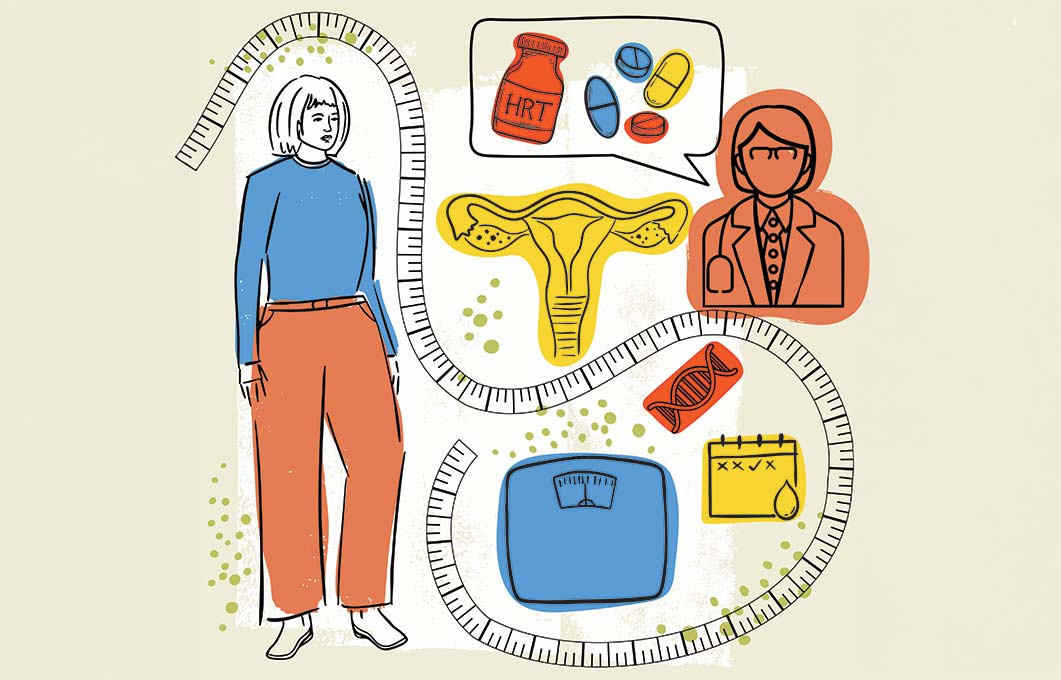
For more than 20 years, women have been told to be cautious about hormone replacement therapy (HRT). That conversation began to shift in February 2026, when the FDA approved changes removing the boxed warning about certain risks from the labeling of several menopausal hormone therapy products. While this does not mean HRT is right for everyone, it reflects a growing understanding that the risks and benefits of hormone therapy are more nuanced than the headlines of the day implied.
The original concerns largely stemmed from the Women’s Health Initiative (WHI) study, which was stopped early in 2002 after researchers found increased risks associated with certain hormone therapy regimens. The findings received widespread attention, and HRT use declined dramatically. In the years since, researchers have continued to analyze the data and have found that factors such as age, timing of treatment, individual health risks, and the type of hormone therapy used can significantly influence the risk-benefit balance.
That distinction matters. Hormone therapy is not simply ‘safe’ or ‘unsafe.’ For some women, it can be an extremely effective treatment for hot flashes, night sweats, sleep disruption, vaginal symptoms, and other effects of changing hormone levels. It may also provide important benefits for bone health and other aspects of healthy aging. For others, the risks may outweigh the potential benefits.
This is where individualized care becomes particularly important. Not all hormone therapy is the same, and not all women have the same health history or risk factors. Hormone therapy may involve different hormones and formulations, including bioidentical forms of estrogen and progesterone. The appropriate options depend on factors such as symptoms, age, timing of menopause, cardiovascular and breast health, family history, and other individual considerations.
Vaginal estrogen is another example of why nuance matters. Low-dose vaginal estrogen can be highly effective for vaginal dryness, painful intercourse, urinary symptoms, and other genitourinary changes associated with menopause, while resulting in much less hormone entering the bloodstream than systemic therapy. Yet some women still avoid it because they have heard that all estrogen carries the same risks.
Why, then, might a woman still be told that HRT is not an option? Some healthcare providers trained during the years when hormone therapy was viewed primarily through the lens of the WHI may understandably remain cautious. Others may simply have limited experience managing menopause and hormone therapy. Formal training in menopause care can be limited, and staying current with evolving evidence requires ongoing education.
Not all women need to use HRT, but for those who are interested, it is important to have access to good information and an experienced practitioner who can evaluate individual risks, benefits, and treatment options. Understanding the difference between outdated fears and legitimate risks can help each woman identify the options that make the most sense for her.