




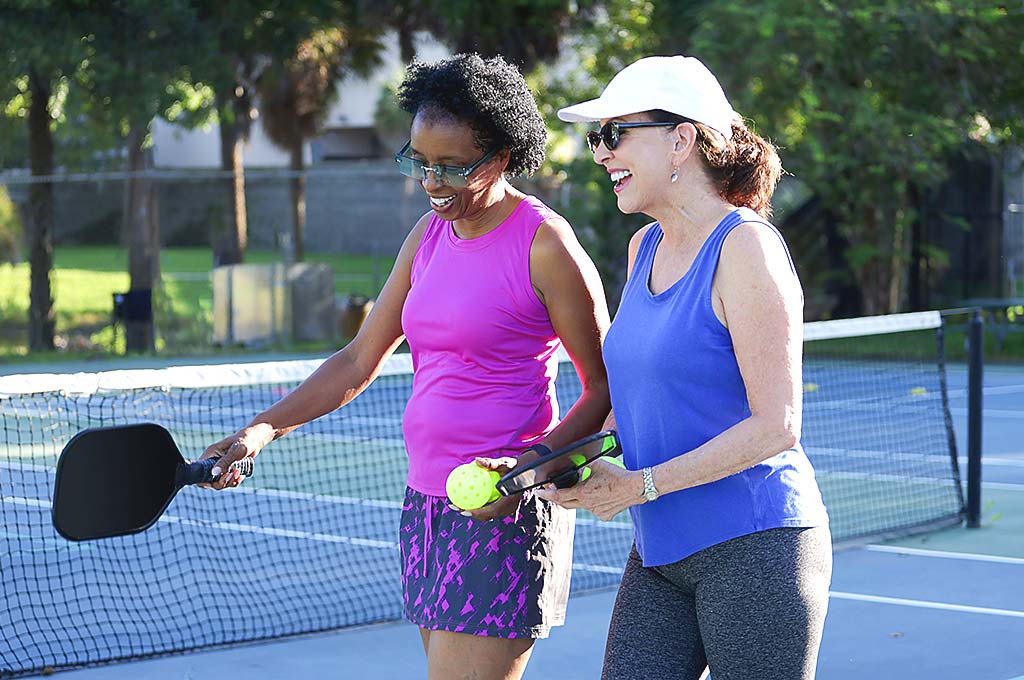
Many people become more motivated to prioritize exercise in midlife. Sometimes it’s driven by concerns about health, weight gain, energy, or aging. Sometimes it’s social – activities like pickleball have exploded in popularity, bringing people together in ways that feel fun, accessible, and energizing.
Movement becomes increasingly important in midlife. Regular physical activity supports cardiovascular health, metabolic function, mood, bone density, balance, and cognitive health. Strength training in particular becomes increasingly valuable in midlife, helping preserve muscle mass and insulin sensitivity while reducing the risk of falls and injury.
What often surprises people is not the exercise itself, but the recovery afterward. Even in active adults, midlife can bring noticeable changes in how the body responds to physical stress. The workout, long hike, or pickleball match that once caused mild soreness may now lead to lingering fatigue, joint pain, disrupted sleep, or several days of recovery.
Hormonal shifts, reduced muscle mass, changes in connective tissue, chronic stress, and disrupted sleep can all affect how quickly the body repairs itself after exertion. Many adults notice they can no longer jump into intense activity without consequences. This is especially common with activities that involve quick bursts of movement, sudden pivots, or repetitive strain. Pickleball is a good example. While the sport offers excellent cardiovascular and social benefits, it has also become associated with a rise in midlife injuries, particularly when activity levels increase rapidly without adequate preparation.
Warming up becomes increasingly important with age. A few minutes of mobility work, dynamic stretching, or gradual movement before exercise can improve circulation and prepare muscles and connective tissue for activity. Recovery afterward matters just as much. Gentle stretching, adequate protein intake, hydration, and rest all help support tissue repair and reduce excessive soreness.
Hydration deserves particular attention. As people age, thirst cues may become less reliable, and intense sweating during exercise can contribute to electrolyte losses that affect energy, muscle function, and recovery. Water is often sufficient for shorter or lower-intensity activity, while prolonged exercise or heavy sweating may increase the need for electrolytes. Many commercial electrolyte drinks contain added sugar, which may be helpful during prolonged endurance activity but unnecessary for shorter workouts or for individuals working to stabilize blood sugar.
Blood sugar balance itself can also affect exercise tolerance. People with unstable blood sugar may experience fatigue, shakiness, headaches, or crashes during long periods of activity, especially if meals are skipped or exercise intensity increases suddenly.
Midlife hormonal changes can further complicate this picture, making consistency and recovery even more important.
Exercise in midlife is not about pushing harder at all costs. For many people, the healthiest approach is sustainable movement – building strength gradually, allowing adequate recovery, and supporting the body in ways that promote resilience rather than burnout. The goal is not simply to exercise more, but to create habits the body can continue to benefit from for decades to come.
Up next: Why are midlife exercise injuries becoming so common? From pickleball to weekend hikes, a follow-up article will explore why tendons, joints, and connective tissue become more vulnerable with age – and what helps people stay active without getting sidelined.